
Why Data-Backed Vetting is the Only Way to Achieve Optimal ROI in Nigerian Rentals
How Nigerian landlords can get maximum ROI from their rental housing investments by replacing gut feelings with verified tenant data.

In my late 20s, I figured out how to hack the Nigerian rental market.
I was young, newly married, and looking for a two-bedroom apartment. I knew the drill: the agent would size me up, the landlord would ask invasive questions, and everyone would try to guess if I was "responsible" based on how I dressed or who I knew.
So, I played the "Marriage Card."
Every time an agent asked about me, I didn't lead with my job as startup founder or an experienced software engineer or my income. I led with, "I am a married man." It worked like magic. The doors opened. Landlords assumed that because I had a wife, I wouldn't want to put my family to shame, so I must be a good payer.
It was a useful hack for me, but looking back now, it terrifies me.
Why?
Because "I am a married man" is not a credit score. It is not a bank statement. It is not a criminal background check. It is just a social signal — a "vibe."
And yet, we're currently running a multi-billion dollar rental market on vibes.
If you are a landlord reading this, you've probably accepted a tenant because they "looked responsible" even though most were just 'acting it' or rejected one because "something felt off." You are doing your best in a Nigerian low-trust environment where verifying a stranger is almost impossible. But I am here to tell you that this "gut feeling" approach is the single biggest threat to your property's profitability.
You built a house to build wealth, not to play a guessing game.
It is time we stopped guessing and started earning.
The High Cost of the "Trust Gap"
A few years ago, a close friend of mine — let's call her Amaka — moved to Lagos. Amaka is the kind of tenant every landlord should dream of. She's a high-earning professional, manages her finances well, and keeps her space spotless.
But Amaka is single.
And in the eyes of many Lagos landlords, a single woman renting a two-bedroom flat is a "risk." You know, the usual, "what if her sponsor stops paying?" make-belief.
She was rejected flat-out by multiple landlords. One agent told her plainly, "The landlord prefers a family." Desperate, she and her agent had to "package" her application. Her boss in the US had to write a letter of employment. Ironically, when he wrote her actual high salary, Amaka had to ask him to reduce the amount on paper because she feared the landlord would think she was a fraudster if they saw how much she really earned.
Think about the absurdity of that moment.
A painful, albeit undetected, loss-loss situation:
The Landlord's Loss: That landlord rejected a high-income, reliable tenant (a False Negative) and likely accepted someone with lower income but "better vibes."
The Vacancy Loss: How many weeks did that property sit empty (void period) while the landlord waited for the "perfect" demographic profile?
This is the Trust Gap.
In Nigeria, we have a massive housing deficit — millions of people need homes — yet houses sit empty because landlords are terrified of letting in the wrong person.
And they should be terrified.
We all know the horror stories. The gentleman who pays two years upfront and then needs endless reminders to pay again. The tenant who destroys the plumbing and disappears. The legal system where evicting a defaulter can drag on for 15 months or more in court, while inflation eats away at the value of your property.
In the absence of data, landlords retreat to bias.
They retreat to "I only want tenants from this tribe" or "I only want married couples."
But bias is not a risk management strategy.
It is an unwanted vacancy strategy. Every day your property sits empty because you are waiting for a "gut feeling" match, you are losing money.
My Lightbulb Moment: Why Paper Doesn't Work
I didn't start Tenalet just because I wanted to build a startup.
I started it because I saw a pen and paper, again, in 2024.
My ex-girlfriend was venting to me about the rental process one morning. She said, "Sokari, you're a tech guy. Build something to kick these greedy agents out of the market." I told her, "We can't kick them out; landlords need them. But we can help them."
I asked her, "How are they collecting your information?"
She said, "They gave me a paper form."
It hit me like a physical blow.
It had been years since I rented my first place, and they were still using paper forms.
Think about it.
You are handing over an asset worth tens or hundreds of millions of naira to a stranger. And your primary vetting tool is a piece of paper where they can write whatever they want?
Paper forms don't verify if a bank statement is photoshopped. Paper forms don't check if an ID is valid against the national database. Paper forms don't reveal a history of eviction.
In that moment, I realized the problem wasn't just "finding a house." The problem was Tenant Screening. It was a trust problem. Landlords and property managers are flying blind, trying to pilot a complex investment vehicle without a dashboard.
And with Tenalet, it starts with a free online tenant application:
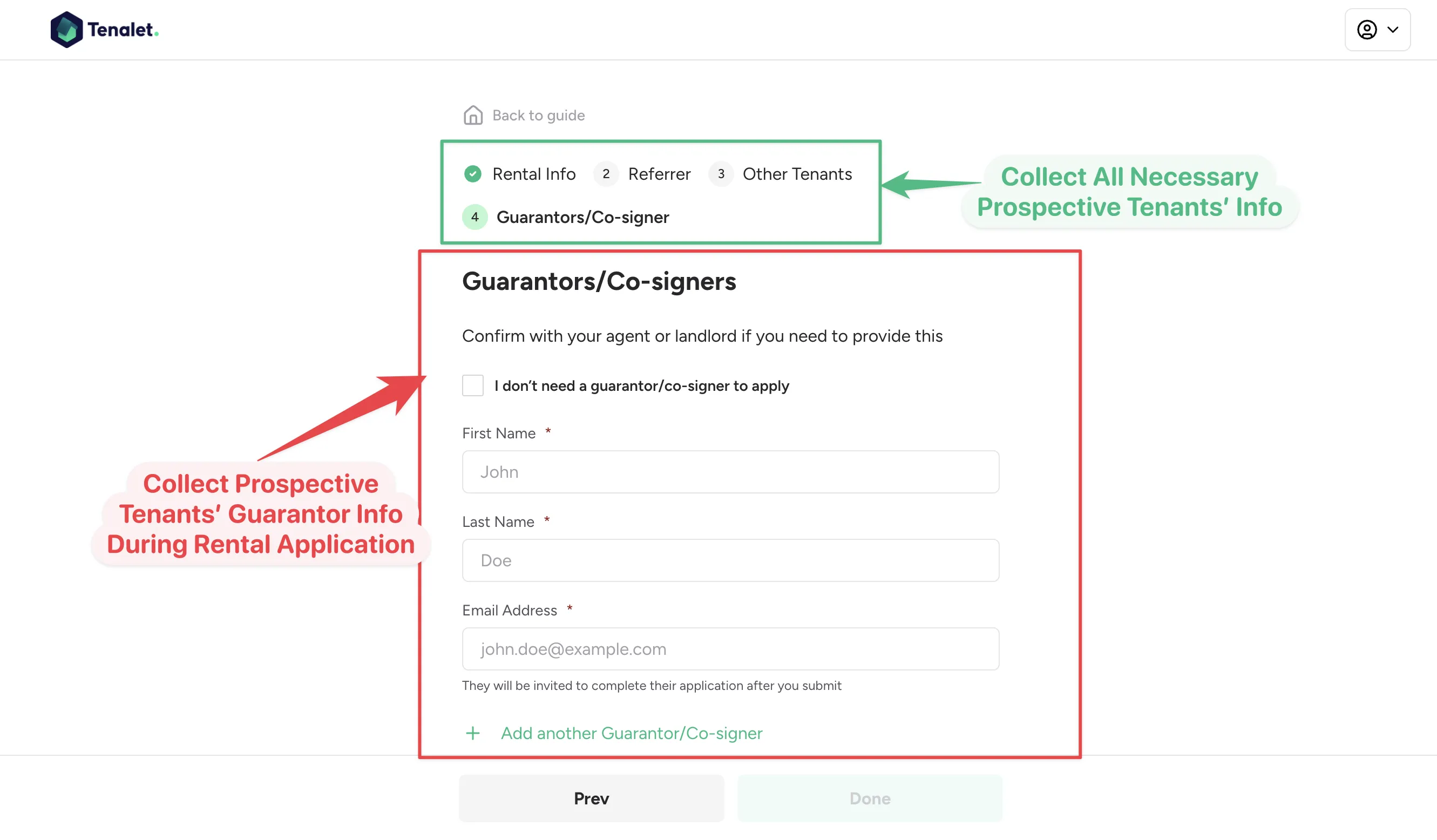
The Diagnostic Machine: A New Way to Vet
Imagine you are buying a used car.
Method A: You walk around the car, kick the tires, and listen to the engine. The seller tells you, "It's a good car, trust me."
Method B: You plug a diagnostic computer into the car's engine. The computer runs a scan and tells you exactly what is happening inside the transmission, the electrical system, and the brakes.
For decades, Nigerian landlords have been using Method A. You look at the tenant (kick the tires), ask them where they work (listen to the engine), and hope for the best.
Tenalet is the diagnostic computer.
We built the infrastructure that has been missing from the Nigerian rental market. We don't rely on what prospective tenants say; we rely on verified data.
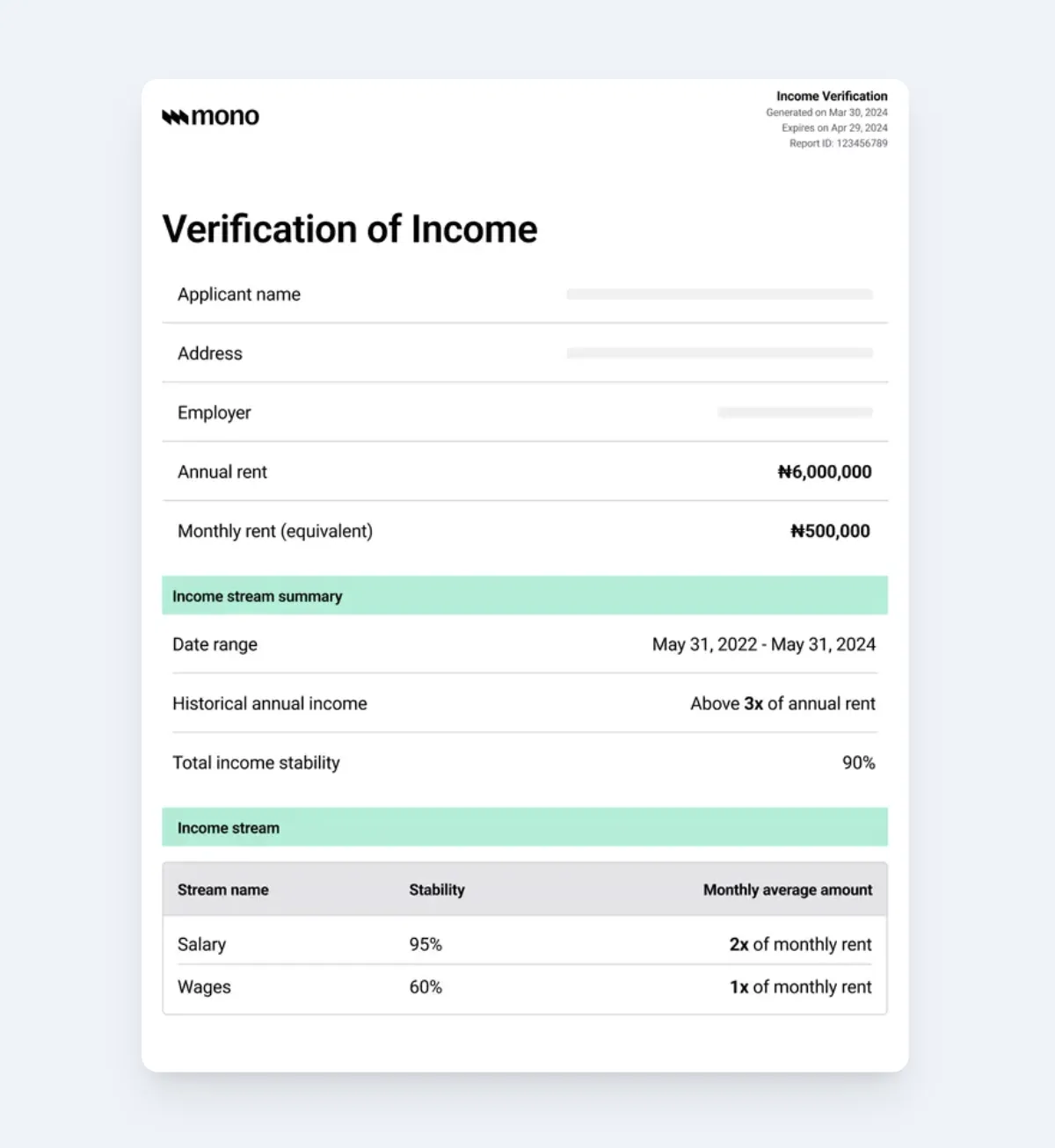
When a tenant applies through Tenalet, we don't just collect a PDF. Automatically, Tenalet does three things in the backend:
Identity Verification: We ping trusted national ID networks to confirm they are who they say they are.
Financial Capability: We don't just look at a salary slip. We analyze income stability and financial behavior. Can they actually afford this rent and their living expenses?
Risk Assessment: We look for the red flags that "vibes" miss — inconsistent income patterns, previous defaults, or unverifiable employment history.
We replace the "Marriage Card" with an Income Verification Report (IVR):
How Data-Backed Vetting Protects Your ROI
Let's talk about the bottom line. Why should you, a busy landlord or property manager, care about data-backed vetting?
Because it makes you more money.
1. It Kills Void Periods (Speed)
When you rely on manual vetting, you spend weeks going back and forth. "Send your bank statement." "Wait, this page is missing." "Let me call your office."
With Tenalet, the vetting is automated and fast. You get a clear signal in hours, not weeks. If you can fill a vacancy two weeks faster because you didn't have to play detective, that is two weeks of extra income in your pocket.
2. It Attracts Premium Tenants (Retention)
High-quality tenants like Amaka want professionalism. They hate the invasive, biased questioning of traditional agents. When they see a landlord using a professional, digital application process, they feel respected.
Great tenants pay more, and they stay longer. By filtering for financial capability rather than vibes, you open your pool to the best earners in the market, regardless of whether they are single, married, or from a different state.
3. It Insures Your Cash Flow (Security)
The most expensive tenant is the one who stops paying.
Rent default is the number one killer of rental ROI.
By using data to verify affordability before you hand over the keys, you are taking out an insurance policy on your cash flow. You are moving from "I hope they pay" to "I know they can pay."
To a Future that's Verified
We are entering a new era in Nigeria. The days of cash-based, handshake deals are fading. The economy is too volatile, and the stakes are too high to rely on luck.
If you are a property manager, your clients pay you for your expertise, not your gut feelings. Offering them a data-backed screening report is the ultimate proof of your professionalism.
If you are a landlord, your property is likely your retirement plan. Don't gamble with your legacy.
I started Tenalet because I was tired of seeing friends rejected for the wrong reasons, and landlords suffering for the wrong choices. I realized that if we could just build a bridge of trust — built on hard, cold data — we could fix the market for everyone.
Stop guessing. Stop relying on "vibes." Start earning what your property is truly worth.
Ready to find better tenants?
Screen tenants in minutes with Tenalet's comprehensive verification system.
Start Free Screening